



Sport karate is the competitive side of traditional karate. Instead of focusing only on self-defense or kata as an art form, sport karate organizes techniques into structured tournaments and competitions. Here’s a breakdown:
Sport karate takes the foundation of traditional karate (stances, strikes, kicks, blocks, kata/forms) and applies them in a regulated competition format.
It emphasizes speed, precision, control, and strategy rather than raw power. The goal is to score clean points under the rules, not to injure an opponent.
Kata (Forms): Athletes perform pre-arranged patterns of techniques. Judges score based on precision, power, rhythm, and presentation.
Kumite (Sparring): Controlled fighting against an opponent. Points are awarded for clean strikes, kicks, or techniques that meet criteria such as good form, proper distance, and control.
Weapons (in some leagues): Competitors use traditional weapons like bo staff, nunchaku, or sai in forms competition.
Matches are judged by referees and corner judges.
Competitors earn points for techniques delivered with speed, accuracy, balance, and control to legal target areas.
Excessive contact is penalized—unlike full-contact fighting, the goal is technical execution.
Sport karate is about technical skill and controlled scoring.
It is different from kickboxing or MMA, which emphasize full-contact striking and knockouts.
It’s often compared to Olympic-style Taekwondo or fencing in its point-based structure.
Provides a safe way for martial artists to test skills under pressure.
Builds discipline, confidence, and sportsmanship.
Creates pathways to national and international competitions (e.g., WAKO, WKF, WKC, and other leagues).
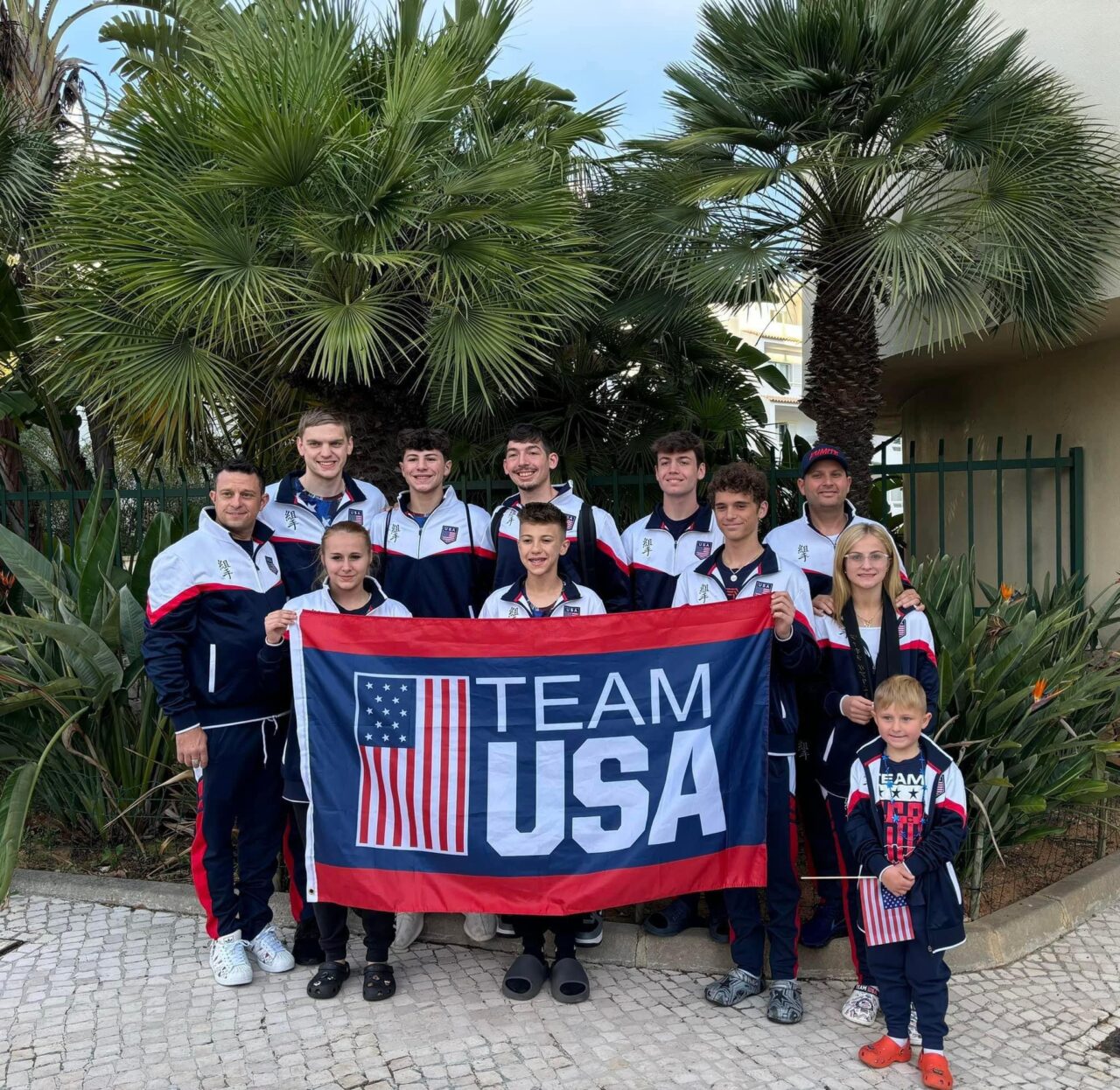
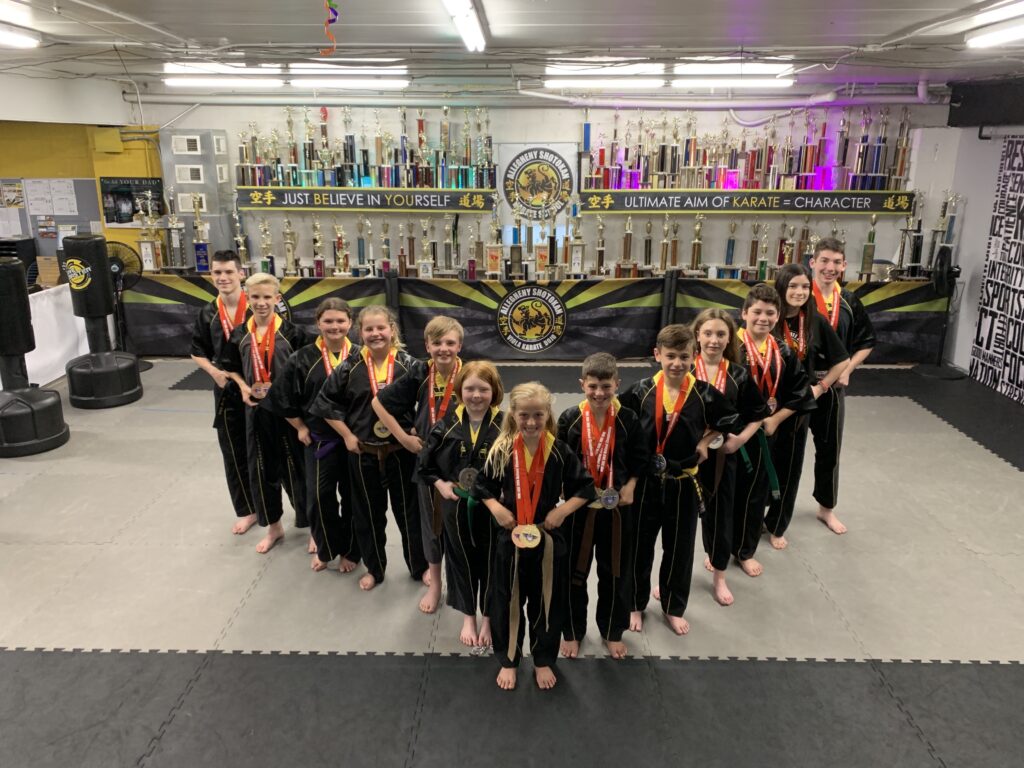
Viola Karate boasts generations of champions including World & Continental Gold Medalists in karate & kickboxing. Coach Bill Viola Jr., is also Tatami Chairman for WAKO USA Kickboxing. In November 2021, WAKO received full recognition from the International Olympic Committee (IOC).Confirms WAKO as the global governing body for kickboxing.
Enables WAKO for inclusion in multi-sport events such as:
The Olympic Games
The Youth Olympic Games
The World Games
The European Games
WAKO USA is the official U.S. governing body under the United States Olympic & Paralympic Committee (USOPC).
Recognition: The largest governing body for karate worldwide, recognized by the IOC (Olympics).
Style: Very traditional. Emphasis on clean technique, speed, and control.
Events: Kata (forms) and Kumite (sparring).
Kumite Rules: Point system based on “ippon” (3 points), “waza-ari” (2 points), and “yuko” (1 point). Contact is controlled, excessive force is penalized.
Reputation: Seen as the most “official” and traditional sport karate path.
Recognition: The world governing body for kickboxing (recognized by the IOC). Many sport karate schools compete under WAKO rules in the U.S.
Style: More modern and combat-sport oriented — focus on point fighting, light contact, full contact, K-1, and kickboxing ringsports.
Point Fighting: Very similar to karate kumite but faster-paced, often seen as the pro-style of sport karate sparring.
Reputation: Produces world champions who often cross into pro kickboxing or MMA. U.S. Army Fight Team, Paul Mitchell, and other elite teams compete here.
Recognition: A global circuit blending traditional karate with kickboxing styles.
Style: Known for being more inclusive — open to different martial arts systems.
Events: Forms (traditional, creative, musical, weapons), point sparring, continuous sparring, and ring sports.
Reputation: Very popular in North America and the Caribbean; attracts diverse schools and fighters.
Recognition: The premier U.S. circuit for open tournament sport karate.
Style: Flashy, dynamic, “open” martial arts.
Events: Traditional and creative kata, extreme forms with flips and tricks, weapons, and high-energy point sparring.
Reputation: Produces many martial artists who move into movies, stunts, and performance (ex: many Power Rangers actors came from NASKA).
Recognition: Longstanding U.S. amateur organization.
Style: Very traditional — modeled after Japanese/Okinawan karate.
Events: Kata and kumite, following a stricter traditional format than NASKA.
Reputation: Seen as a grassroots path for youth competitors.
WKF: Olympic, traditional, prestige.
WAKO: Kickboxing + point fighting, global, more combat sport feel.
WKC: Inclusive, blends karate and kickboxing.
NASKA: Flashy, open martial arts, U.S.-based.
AAU: Grassroots, traditional karate in the U.S.