

Kickboxing in Pittsburgh
Kickboxing in Pittsburgh, PA has deep roots tied to the region’s karate boom, early mixed-style fighting, and the growth of amateur international kickboxing through WAKO (World Association of Kickboxing Organizations) and PKA Professional Kickboxing Association. The city has played a quiet but important role in American sport karate and kickboxing development for more than five decades.
Early Foundations (1960s–1980s)
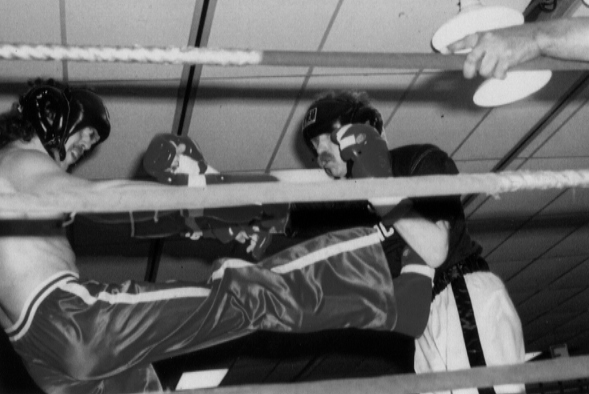
Kickboxing in Pittsburgh grew out of the traditional karate movement of the late 1960s and 1970s. One of the central influences was Allegheny Shotokan Karate, founded in 1969 by Bill Viola Sr. in the Pittsburgh region. The school blended traditional karate with early forms of kickboxing and mixed-rules competition, helping shape modern combat sport in Western Pennsylvania.
During this era, many karate competitors began moving from point sparring into full-contact and American-style kickboxing, mirroring the national shift happening across the U.S. Pittsburgh fighters and instructors were part of this transition, contributing to the region’s reputation as a stronghold of sport karate and early kickboxing.
Growth of Sport Karate → Kickboxing
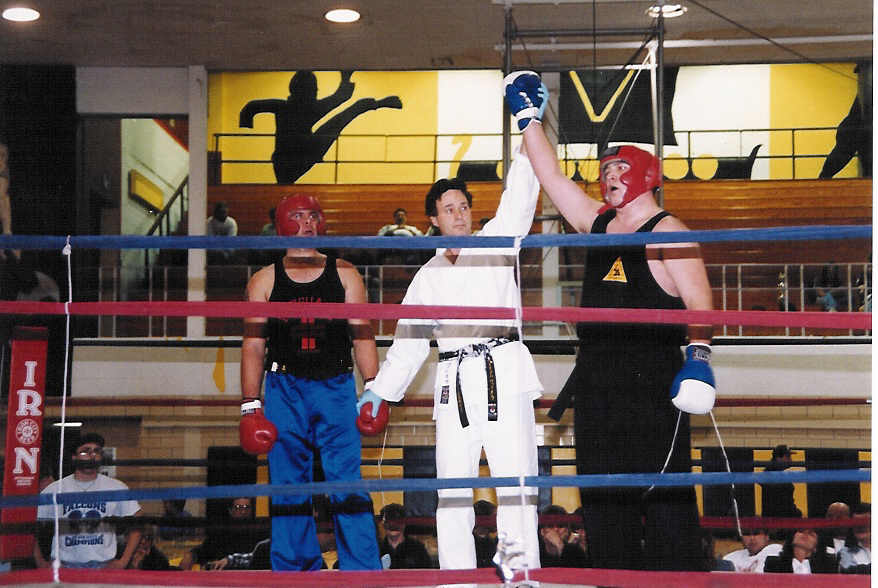
Through the 1980s and 1990s, Pittsburgh produced successful sport karate competitors who crossed into kickboxing competition. Local schools and teams developed fighters competing nationally and internationally, helping bridge traditional martial arts with modern ring sports.
The region’s competitive culture was strengthened by organized teams and events, including Team Kumite, a Pittsburgh-based sport karate and kickboxing team known for producing national and world champions over multiple decades.
WAKO and the Modern Era
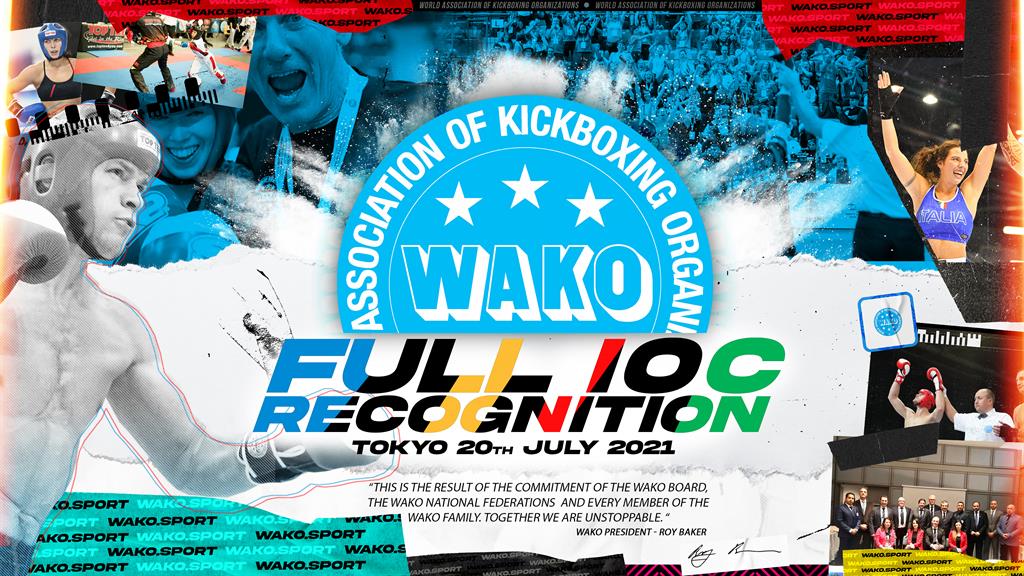
In the modern era, Pittsburgh became connected to international amateur kickboxing through WAKO, the IOC-recognized world governing body for kickboxing. Local programs affiliated with WAKO have produced Team USA members and international medalists, showing the region’s continued influence in global amateur kickboxing.
Major events tied to Pittsburgh helped grow the sport, including:
-
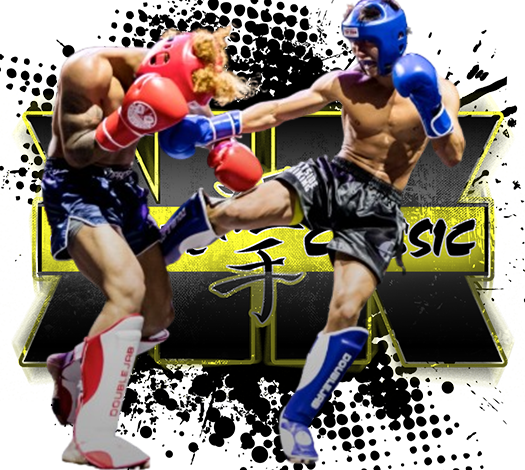
Kumite Classic – A large martial arts and kickboxing platform founded in 1999 that hosts WAKO-sanctioned competition and connects athletes to national and international pathways.
-
Pittsburgh Power / WAKO divisions – Events using modified WAKO rules and promoting amateur Olympic-pathway kickboxing.
These events helped transition Pittsburgh from a regional karate hub into an internationally connected kickboxing community.
Kickboxing Culture in Pittsburgh Today
Today, kickboxing in Pittsburgh exists across several overlapping areas:
1. Competitive Amateur Kickboxing
-
WAKO-style point fighting, light contact, and ring sport
-
Team USA athletes and national champions emerging from the region
2. Sport Karate / Kumite → Kickboxing Pipeline
-
Many karate schools still develop fighters who transition into kickboxing competition
-
Long-standing martial arts programs continue producing champions
3. Muay Thai / Modern Kickboxing Gyms
-
Independent gyms across the region train competitive and recreational kickboxers
-
Some programs combine boxing, Muay Thai, and kickboxing training for both fitness and competition
4. Community & Collegiate Martial Arts
-
University clubs and local programs keep striking arts active for recreation, fitness, and competition
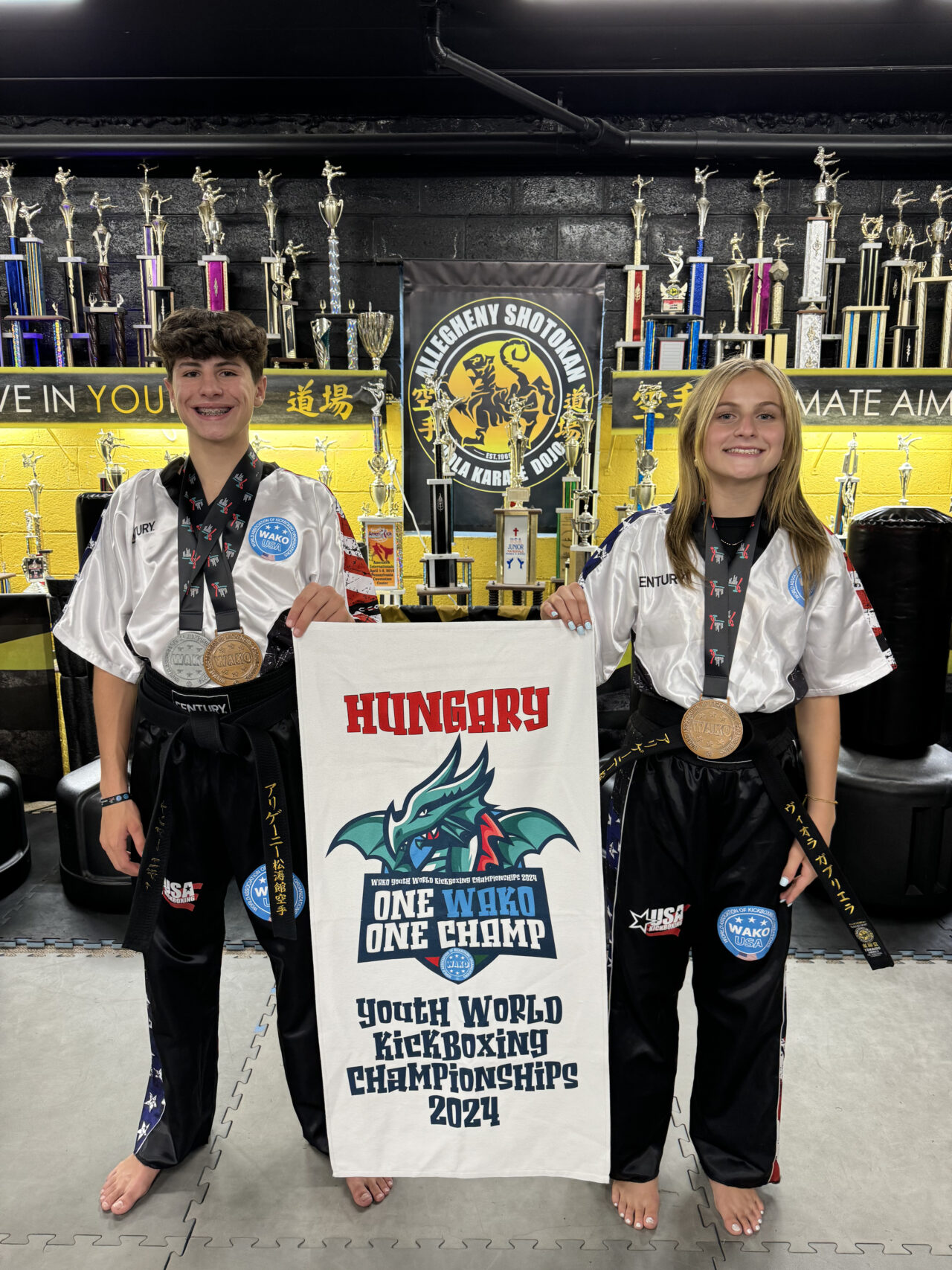
Pittsburgh is not usually labeled a “kickboxing capital,” but athletes like Gabby Viola and Xander Eddy have been an important development center for American sport karate, amateur kickboxing, and WAKO competition. The region’s blend of traditional martial arts roots, competitive teams, and international connections has allowed kickboxing to remain active and influential for over 50 years.
The Next Generation – Gabby Viola & Xander Eddy
As Pittsburgh’s combat sports legacy continues to evolve, a new wave of athletes is carrying the torch. Among the most promising of this next generation are Gabby Viola and Xander Eddy — young competitors representing the future of American sport karate and kickboxing, building on the strong foundation laid by those before them.
Gabby Viola – Rising Champion
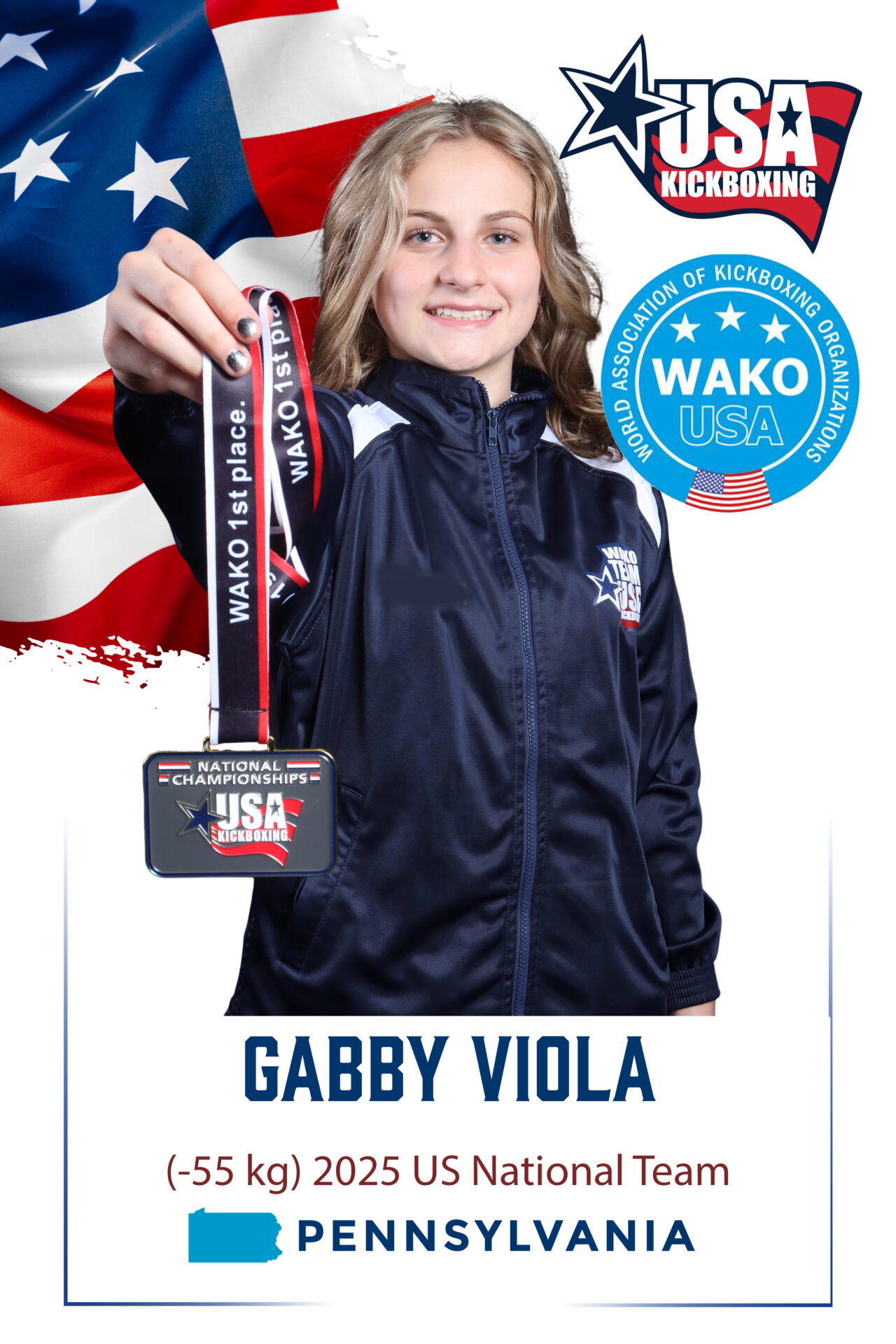
Gabby Viola has emerged as one of the most accomplished young fighters of her generation. Growing up in a deep martial arts family tradition, she developed early into a well-rounded competitor known for speed, timing, toughness, and ring intelligence. Her brother Will Viola is currently ranked #1 by WAKO USA.
Her achievements include:
-
Selection to elite national-level competition pathways
-
Success in both sport karate and kickboxing formats
-
Representation in high-level amateur competition circuits
-
Recognition for her discipline, leadership, and perseverance
Gabby is known not only for her technical ability, but for her fighter’s mindset — overcoming adversity, showing resilience, and competing with heart. Many see her as part of the next wave of athletes capable of reaching international and world-class levels.
Xander Eddy – Dynamic New Talent
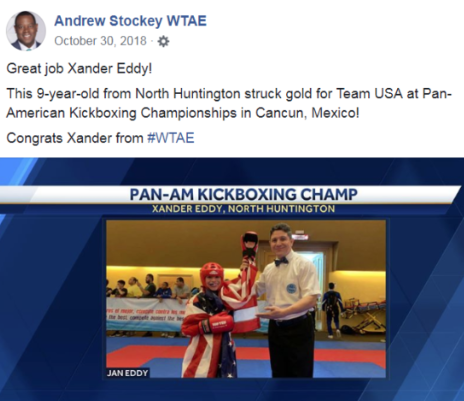
Xander Eddy represents the explosive new generation of modern martial artists — athletic, versatile, and fearless. Known for his aggressive style, creativity, and competitive drive, Xander has quickly built a reputation as a standout performer in youth and amateur competition.
Key traits that define his rise:
-
Strong foundation in modern sport karate
-
Ability to blend speed, power, and dynamic movement
-
Consistent success in regional and national competition
-
Natural performer with championship potential
Xander is part of a generation trained in a more evolved combat sports environment — one that blends traditional martial arts, sport karate, and kickboxing into a single, adaptable skill set.
Carrying the Pittsburgh Legacy Forward
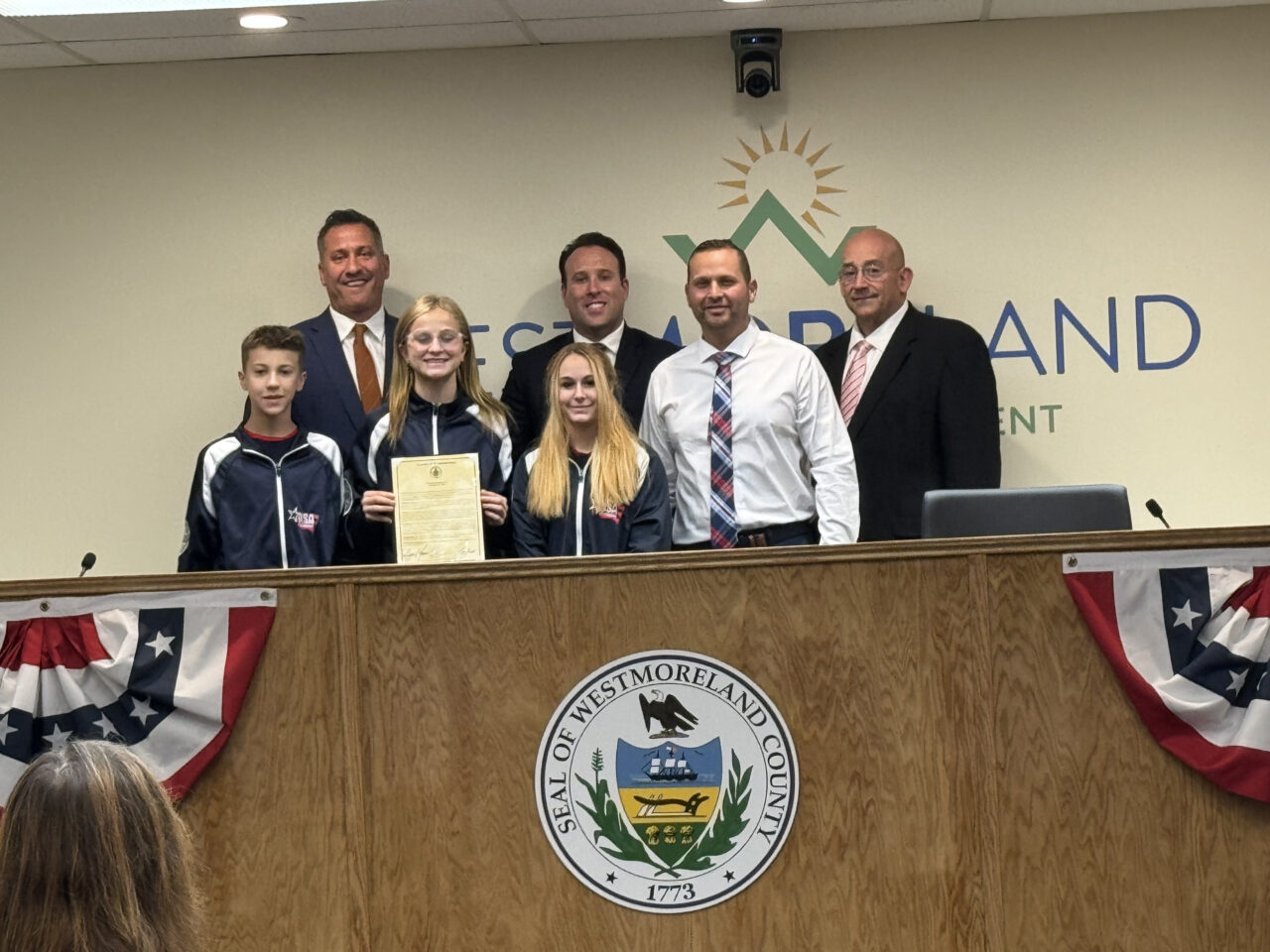
Together, Gabby Viola and Xander Eddy represent the next chapter of Pittsburgh’s martial arts story — a lineage that stretches from early karate pioneers and the Tough Guys era to modern international kickboxing and sport competition.
They symbolize:
-
The continuation of a multi-generation fight tradition
-
The evolution of sport karate into modern combat sport
-
The future of WAKO-style amateur kickboxing and elite competition
-
Leadership, discipline, and the spirit of martial arts
As they continue to grow, compete, and represent their teams and community, many believe Gabby and Xander are poised to become the next generation of champions and ambassadors for the sport.
Kickboxing in Pittsburgh – The Tough Guys Era & Jacquet Bazemore
One of the most important chapters in Pittsburgh’s fight history is the “Tough Guys” era, a raw, formative period that helped shape modern American kickboxing and mixed martial arts. At the center of this movement were early open-rules competitions in Western Pennsylvania and fighters like Jacquet Bazemore, who represented the region’s transition from traditional martial arts into full-contact fighting.
The “Tough Guys” Movement (Late 1970s–Early 1980s)
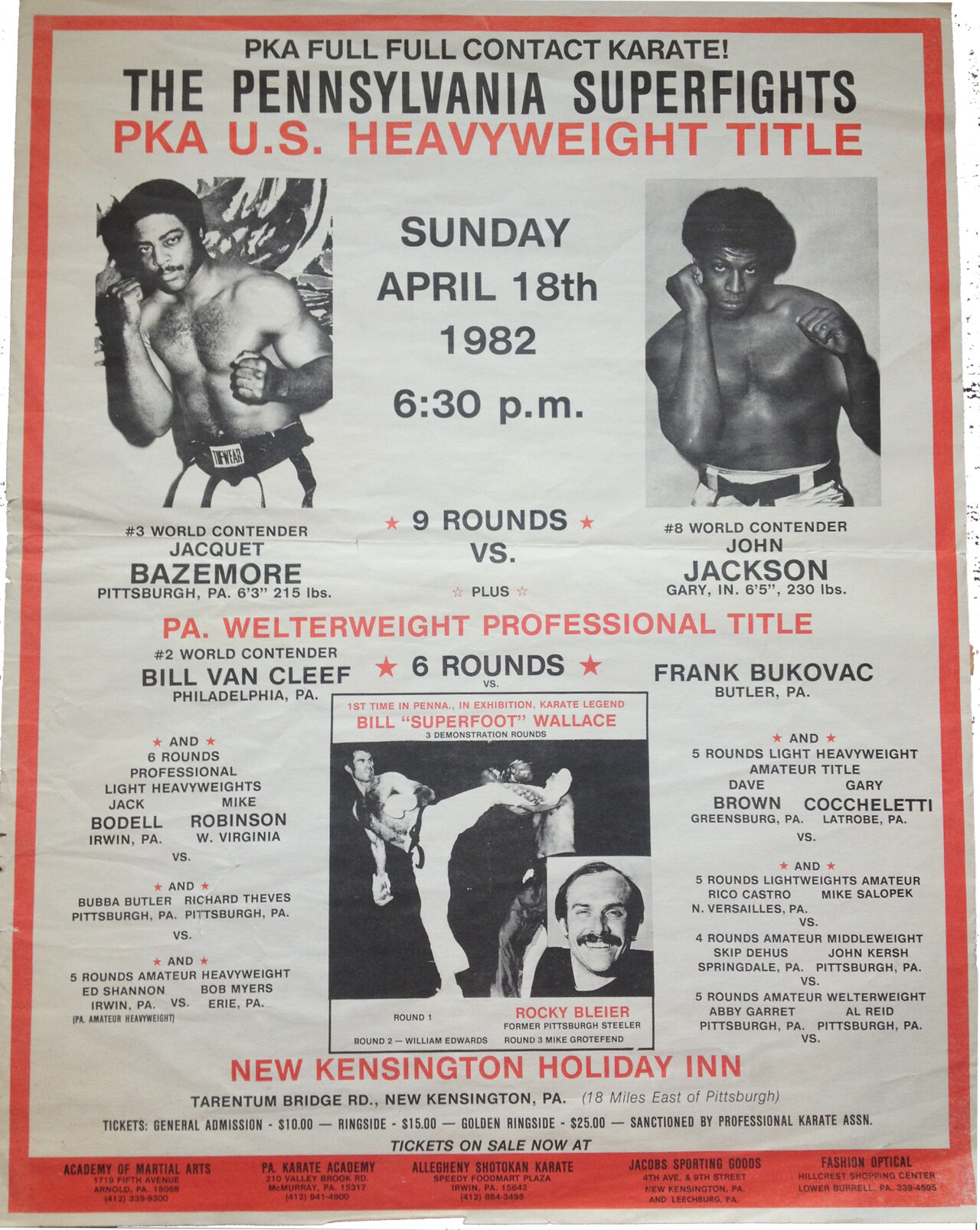
Before modern MMA existed, Pittsburgh became a proving ground for mixed-style, no-nonsense fighting events commonly known as Tough Guys contests. These early competitions blended:
-
Karate
-
Boxing
-
Wrestling
-
Street-style self-defense
-
Early kickboxing rules
Unlike point karate tournaments, Tough Guys fights were continuous, full-contact, and far less restricted, making them some of the closest predecessors to modern mixed martial arts in the United States.
Western Pennsylvania — particularly the Pittsburgh area — became one of the first regions in the country where fighters tested themselves across styles rather than within a single martial art.
This era helped push local martial artists away from point sparring and toward full-contact kickboxing and realistic combat sport, laying the groundwork for the region’s later involvement in organized amateur kickboxing and WAKO competition.
Jacquet Bazemore – Pittsburgh Tough Guy Fighter
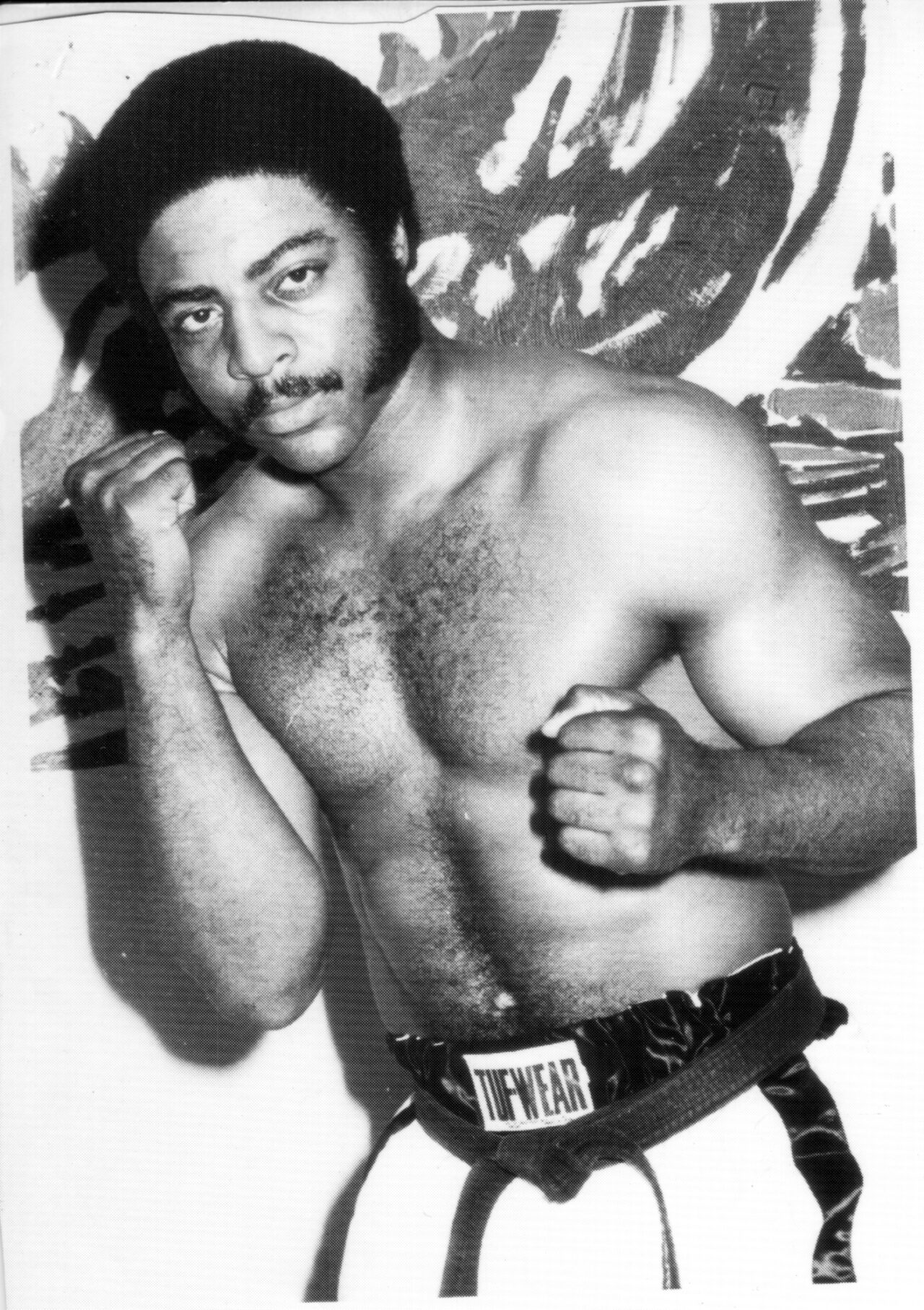
Jacquet Bazemore emerged during this rugged period as one of the recognizable fighters connected to the Tough Guys scene. He represented the kind of athlete who came from traditional martial arts but adapted to the harder, full-contact environment of early mixed fighting and kickboxing.
Bazemore and fighters like him helped prove that:
-
Traditional martial arts techniques could work in real full-contact settings
-
Fighters needed conditioning, durability, and adaptability — not just point-scoring speed
-
The future of combat sports would move toward hybrid fighting styles
Though not as widely documented as later professional fighters, Bazemore’s role belongs to the pioneering generation that bridged karate tournament competition and the rise of full-contact kickboxing in Western Pennsylvania.
Impact on Pittsburgh Kickboxing
The Tough Guys era directly influenced the evolution of kickboxing in Pittsburgh by:
-
Encouraging fighters to move from point karate to full-contact competition
-
Building a culture of tough, adaptable fighters
-
Helping normalize mixed-rules competition long before modern MMA
-
Inspiring later generations who would compete in organized kickboxing circuits and WAKO
This period also contributed to Pittsburgh’s reputation as a blue-collar fight city — where practical fighting ability mattered more than style labels.